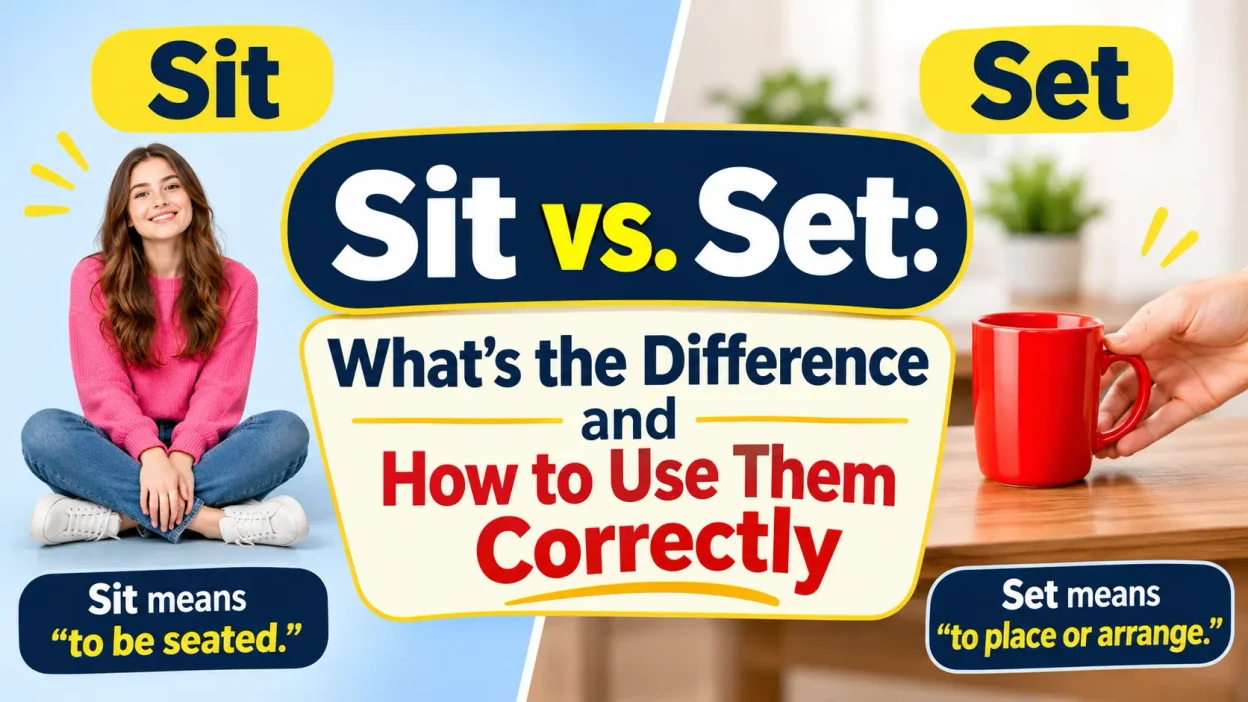
Word Choice9 Min Read Ethan ParkeronNovember 12, 2026 Sit vs. Set: What’s the Difference and How to Use Them Correctly “Sit” and “set” are two commonly confused verbs in English. They sound similar and both can describe placing or positioning something, but they have…
9 Min Read Ethan ParkeronNovember 12, 2026 Rise vs. Raise: What’s the Difference and How to Use Them Correctly “Rise” and “raise” are two commonly confused verbs in English. They have… Word Choice
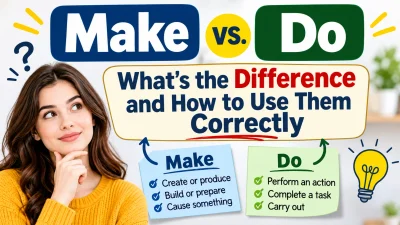
10 Min Read Ethan ParkeronNovember 12, 2026 Make vs. Do: What’s the Difference and How to Use Them Correctly “Make” and “do” are two of the most frequently used verbs in English.… Word Choice
9 Min Read Ethan ParkeronNovember 12, 2026 Discover vs. Find: What’s the Difference and How to Use Them Correctly The words discover and find are closely related because both describe… Word Choice
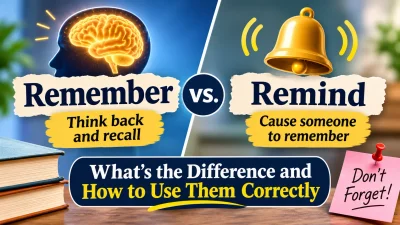
Word Choice7 Min Read Ethan ParkeronNovember 11, 2026 Remember vs. Remind: What’s the Difference and How to Use Them Correctly The words remember and remind are often confused because both are connected to memory. However, they have different meanings and grammatical… Discover More
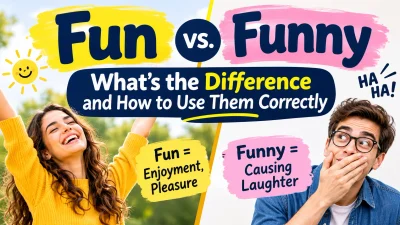
Word Choice7 Min Read Ethan ParkeronNovember 11, 2026 Fun vs. Funny: What’s the Difference and How to Use Them Correctly The words fun and funny are often confused because both can describe enjoyable experiences and positive feelings. However, they do not mean… Discover More
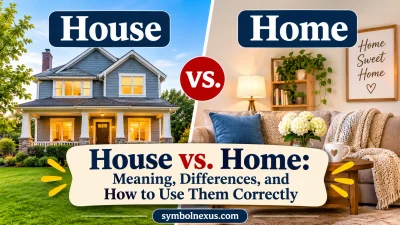
Word Choice11 Min Read Ethan ParkeronNovember 9, 2026 House vs. Home: Meaning, Differences, and How to Use Them Correctly The words house and home are often used interchangeably because both relate to the place where people live. However, they have different… Discover More
Word Choice10 Min Read Ethan ParkeronNovember 9, 2026 Job vs. Work: Meaning, Differences, and How to Use Them Correctly The words job and work are commonly used in everyday English, especially when talking about employment, responsibilities, and professional… Discover More
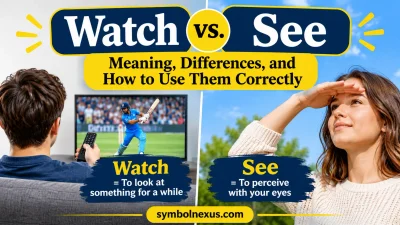
Word Choice9 Min Read Ethan ParkeronNovember 9, 2026 Watch vs. See: Meaning, Differences, and How to Use Them Correctly The words watch and see are closely related because both involve the sense of sight. However, they are not interchangeable in every situation.… Discover More
Word Choice8 Min Read Ethan ParkeronNovember 8, 2026 Look vs. See: What’s the Difference and How to Use Them Correctly The English words look and see are closely related because both involve the sense of sight. However, they do not mean exactly the same thing.… Discover More
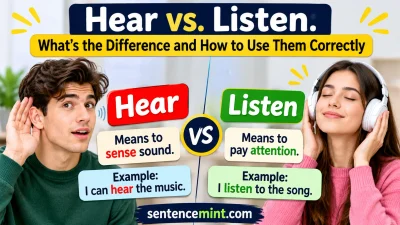
Word Choice9 Min Read Ethan ParkeronNovember 4, 2026 Hear vs. Listen: What’s the Difference and How to Use Them Correctly The words hear and listen are closely related because both describe how we experience sounds. However, they are not interchangeable in every… Discover More
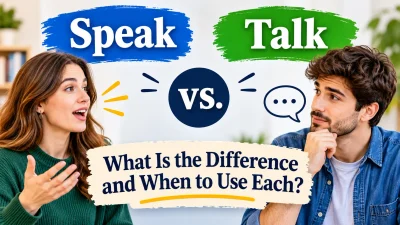
Word Choice8 Min Read Ethan ParkeronNovember 3, 2026 Speak vs. Talk: What Is the Difference and When to Use Each? The words speak and talk are commonly used in English when referring to communication. Both describe the act of using words to express… Discover More
Word Choice7 Min Read Ethan ParkeronNovember 1, 2026 Say vs Tell: What’s the Difference and How to Use Them Correctly? The words say and tell are commonly used in English when talking about communication. Both describe the act of sharing information, speaking,… Discover More
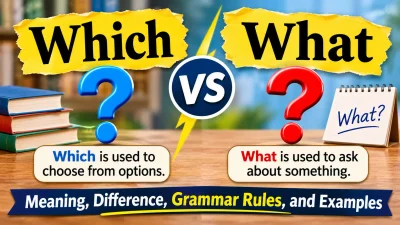
Word Choice9 Min Read Ethan ParkeronNovember 1, 2026 Which vs What: Meaning, Difference, Grammar Rules, and Examples “Which” and “what” are two common English question words that people use when asking for information, identifying things, or making choices.… Discover More